

Why footwork and balance are actually the secret to athletic precision
The Silent Dialogue Between the Sole and the Earth
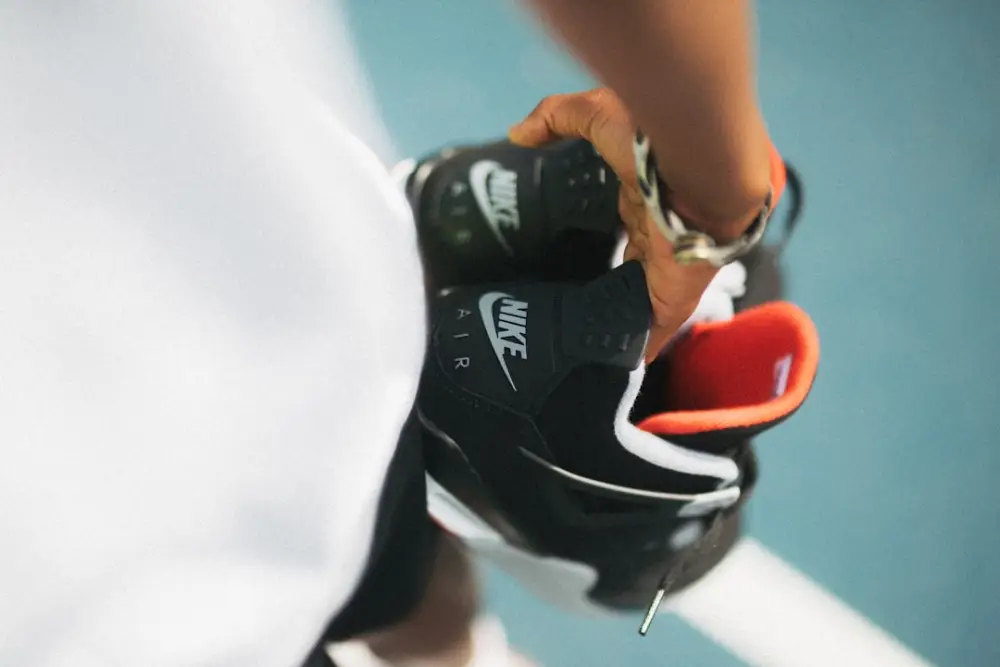
In the world of high-impact performance, we are often blinded by the flash of the finish. We see the acrobat mid-air, the sprinter crossing the line, or the dancer in a final, breathless pose. Yet, if we look closer—if we truly observe the mechanics of excellence—we find that the most profound moments of athletic precision are born long before the climax. They are born in the quiet, often overlooked dialogue between the athlete’s foot and the ground. Footwork is not merely a means of locomotion; it is the foundational language of intent.
Mastering these subtle mechanics is essential for anyone looking to create the high-energy performances that truly captivate audiences and transform the atmosphere of a live event.
When we reflect on the nature of precision, we realize it is a game of millimeters. In sports performance coaching, we often focus on power, speed, and endurance. While these are the engines of performance, footwork is the steering wheel. It is the subtle shift of weight, the precise angle of the heel, and the rhythmic cadence of the toes that dictate whether a movement is merely functional or truly masterful. To master footwork is to understand that the earth is not just a surface to stand on, but a partner to dance with.
Balance: The Quiet Architecture of the Soul
If footwork is the language, balance is the grammar that gives it meaning. We often speak of balance as a physical state—a center of gravity held steady against the pull of the world. But in the context of high-performance coaching, balance is an internal equilibrium. It is the stillness at the center of the storm. When an athlete finds their balance, they are not just resisting a fall; they are creating a stable platform from which all other power can flow.
Reflecting on balance requires us to look inward. It is an awareness of the self in space, a proprioceptive intuition that tells the body where it ends and the world begins. Without this internal architecture, the most powerful muscles in the world are useless. Precision requires a lack of noise, and balance is the ultimate silencer of physical chaos. It allows the athlete to channel their energy into a single, focused point of impact.
The Intersection of Grace and Geometry
Why do we find certain movements beautiful? Usually, it is because we are witnessing the perfect intersection of footwork and balance. This is where athletic precision becomes art. Whether it is a quarterback navigating a collapsing pocket or a stage performer executing a complex sequence, the beauty lies in the economy of motion. There is no wasted effort because the foundation is secure.
Consider the following elements that contribute to this heightened state of precision:
- Kinetic Chain Integration: Precision starts at the ground. If the feet are out of position, the knees, hips, and shoulders must overcompensate, leading to a loss of accuracy.
- The Psychology of Stability: When an athlete feels balanced, their mind is free to focus on strategy rather than survival. Physical stability breeds mental clarity.
- Micro-Adjustments: Mastery is found in the ability to make a thousand tiny corrections per second. This is only possible through elite-level footwork.
- Rhythm and Flow: Precision is rarely a static event; it is a sequence. Good footwork provides the tempo that allows an athlete to remain in 'the zone.'
The Paradox of Stillness in Motion
There is a profound paradox in athletic precision: to move with the greatest speed and impact, one must possess the greatest capacity for stillness. This stillness is not an absence of movement, but a mastery over it. It is the poise that allows a performer to stay centered while the world spins around them. In our coaching philosophy at Red Panda 2000, we often reflect on this stillness as the 'anchor' of a live performance.
When we watch a high-impact live event, the performers who captivate us are those who seem to have all the time in the world. They are never rushed, never stumbling. This perceived 'slowness' is actually the result of hyper-efficient footwork and perfect balance. They have eliminated the frantic, unnecessary movements that plague the amateur. By mastering their base, they have unlocked the ability to be precise under the highest levels of pressure.
Cultivating the Foundation: A Reflective Approach
How does one cultivate such invisible skills? It begins with a shift in perspective. Instead of asking 'how fast can I go?' or 'how high can I jump?', the athlete must ask, 'how centered can I remain?' and 'how intentional is my contact with the ground?' Training for precision is a meditative process. It involves repetitive, slow-motion drills that strip away the ego and focus on the raw mechanics of the body.
- Slow Down to Speed Up: Practicing footwork patterns at a fraction of the normal speed allows the brain to map the neural pathways of precision.
- Focus on Sensory Feedback: Pay attention to the feeling of the floor. Is your weight on your toes or your heels? Are you gripping with your feet or letting them breathe?
- Strengthen the Core of Balance: Balance is not just about the feet; it is about the core. A strong, responsive midsection acts as the bridge between the foundation and the execution.
Final Thoughts on the Art of Precision
Ultimately, footwork and balance are the secrets to athletic precision because they represent the athlete’s relationship with reality. We live in a world governed by gravity and friction. We cannot ignore these forces; we can only learn to move within them with grace and intention. When we stop viewing footwork as a chore and start viewing it as a foundational art form, we open the door to a higher level of performance.
Precision is not a gift; it is a discipline. It is the result of thousands of hours of quiet reflection and deliberate practice. At Red Panda 2000, we believe that whether you are on a stage or on a field, the secret to reaching the heights of your potential lies in how well you can keep your feet on the ground.


What Event Planners Look for in Professional Stage Performers
Behind every unforgettable live event is a careful selection process. Event planners don’t just book performers based on talent alone — they look for reliability, adaptability, professionalism, and the ability to elevate the overall production.
Whether it’s a corporate conference, private celebration, product launch, or large-scale festival, choosing the right stage performer can significantly impact audience engagement and brand perception.
At Red Panda 2000, we work closely with event professionals who understand that performance quality must align with production excellence. Here’s what event planners truly look for when hiring professional stage performers.
1. Proven Experience in Live Environments
Live events are unpredictable. Technical delays, timing shifts, and audience dynamics can change quickly.
Event planners prioritize performers who:
- Have extensive live stage experience
- Remain composed under pressure
- Adapt seamlessly to schedule adjustments
- Understand stage blocking and cues
Experience reduces risk — and planners value dependability.
2. Strong Stage Presence
Stage presence goes beyond talent. It’s about command, confidence, and charisma.
Planners seek performers who:
- Engage the entire room
- Project energy naturally
- Maintain audience attention
- Connect emotionally with diverse audiences
A performer’s ability to own the stage often determines the success of the segment.
3. Professionalism and Punctuality
Behind the scenes, professionalism matters just as much as performance quality.
Event planners look for performers who:
- Arrive on time
- Communicate clearly
- Respect technical crews
- Attend rehearsals
- Follow production guidelines
A collaborative attitude makes the entire production smoother.
4. Technical Awareness
Modern events rely heavily on coordinated production elements, including:
- Lighting design
- LED screens
- Audio engineering
- Stage choreography
Professional performers must understand:
- Microphone technique
- Timing with visual cues
- Rehearsal discipline
- Soundcheck protocols
Technical awareness ensures seamless integration with the broader production team.
5. Audience Adaptability
Different audiences require different energy levels.
Event planners assess whether performers can:
- Adjust tone for corporate vs. social events
- Read the crowd in real time
- Modify pacing if engagement shifts
- Maintain professionalism in formal environments
Versatility increases booking potential.
6. Brand Alignment
For branded events, performers represent more than themselves — they reflect the host organization.
Planners evaluate:
- Image and presentation
- Appropriateness of content
- Cultural sensitivity
- Alignment with brand values
The performance must complement the event’s messaging, not conflict with it.

7. Clear Communication and Planning
Pre-event coordination is critical.
Event planners prefer performers who provide:
- Technical riders
- Setup requirements
- Stage plots
- Clear run-of-show preferences
Transparent communication reduces last-minute complications.
8. Reliability Under Pressure
Live events involve tight timelines and high expectations.
Planners value performers who:
- Stay calm during technical issues
- Maintain energy regardless of setbacks
- Support team morale
- Deliver consistently strong performances
Reliability builds long-term professional relationships.
9. Positive Reputation and References
Word-of-mouth matters in the events industry.
Planners often consider:
- Client testimonials
- Past event reviews
- Industry recommendations
- Portfolio quality
A strong reputation signals trustworthiness and performance consistency.
10. Ability to Enhance the Overall Experience
Ultimately, event planners ask one key question:
Will this performer elevate the entire event?
The best performers don’t simply entertain — they:
- Create memorable moments
- Reinforce the event’s purpose
- Strengthen audience engagement
- Contribute to lasting impressions
Great performances become the highlight attendees remember long after the event ends.
Common Mistakes Performers Should Avoid
- Overlooking rehearsal commitments
- Ignoring production team collaboration
- Delivering inconsistent energy
- Failing to understand event objectives
- Overcomplicating technical requirements
Professionalism behind the scenes is just as important as talent on stage.
Building Long-Term Relationships with Event Planners
Performers who consistently meet expectations often secure repeat bookings.
To build strong industry relationships:
- Maintain open communication
- Deliver beyond expectations
- Remain adaptable
- Show appreciation for collaboration
- Follow up professionally post-event
Consistency creates trust — and trust drives repeat opportunities.
Final Thoughts
Event planners look for more than talent. They seek reliability, alignment, professionalism, and performers who enhance both audience engagement and overall production value.
At Red Panda 2000, we believe successful live events are built on collaboration between performers and production teams. When expertise, preparation, and energy come together, the result is a seamless experience that leaves a lasting impact.
Because in live events, performance is not just about what happens on stage — it’s about how everything works together.
7 Ways High-Energy Performances Transform Live Events
Live events thrive on energy. No matter how advanced the staging, lighting, or production design may be, it’s the performance itself that ultimately determines how an audience feels.
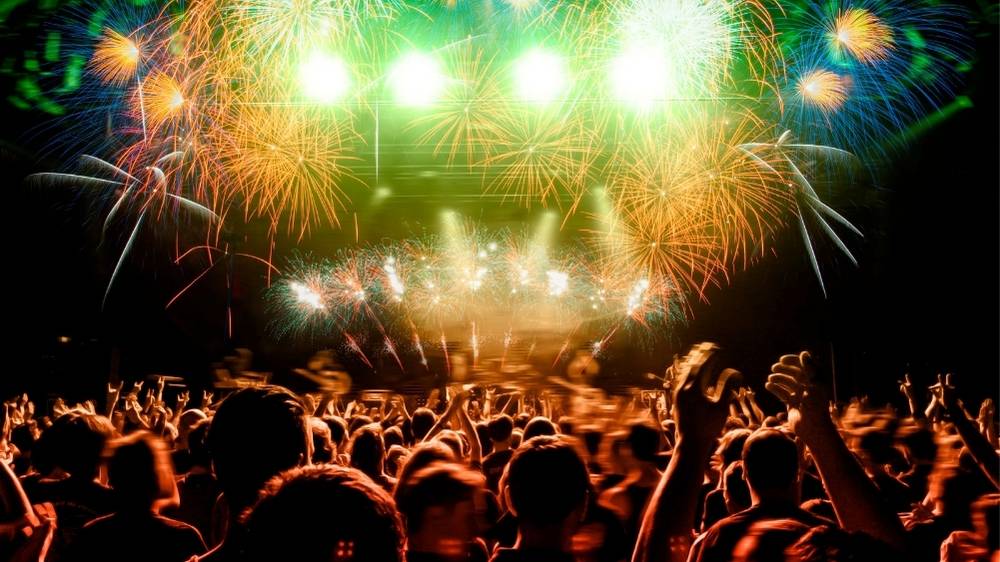
High-energy performances don’t just entertain — they elevate the entire atmosphere, ignite emotional connection, and turn ordinary gatherings into unforgettable experiences.
At Red Panda 2000, we understand that dynamic live performances are often the defining factor in event success. Here are seven powerful ways high-energy performances transform live events.
1. They Instantly Capture Audience Attention
In today’s fast-paced world, attention is fragile. A high-energy performance:
- Commands focus from the first moment
- Breaks through distractions
- Sets the emotional tone
Whether it’s a live band, DJ set, dance troupe, or keynote speaker with commanding presence, energy pulls the audience into the experience immediately.
2. They Create Emotional Momentum
Energy is contagious.
When performers bring passion, movement, and enthusiasm to the stage, audiences respond with:
- Applause
- Movement
- Vocal participation
- Heightened emotional engagement
This shared energy builds momentum throughout the event, keeping attendees invested and present.
3. They Elevate Brand Perception
For corporate events, product launches, or brand activations, high-energy performances reflect confidence and innovation.
An event infused with dynamic entertainment communicates:
- Professionalism
- Creativity
- Forward-thinking identity
- Commitment to excellence
Energy on stage often translates into stronger brand recall off stage.
4. They Encourage Audience Participation
Interactive performances break down the barrier between stage and audience.
High-energy acts often include:
- Call-and-response moments
- Live crowd interaction
- Movement prompts
- Engaging visual elements
Participation deepens connection and makes attendees feel like part of the experience — not just observers.
5. They Amplify Visual Production
When paired with strong lighting, LED visuals, and stage design, high-energy performances create a fully immersive environment.
Movement and rhythm allow:
- Lighting cues to sync dynamically
- Visual effects to feel purposeful
- Stage design to come alive
Energy gives technical production a human heartbeat.
6. They Drive Social Media Engagement
Visually dynamic, high-energy performances naturally generate shareable content.
Attendees are more likely to:
- Record clips
- Share photos
- Post live reactions
- Tag the event brand
This organic content extends event visibility beyond the physical venue, increasing reach and post-event impact.
7. They Leave a Lasting Impression
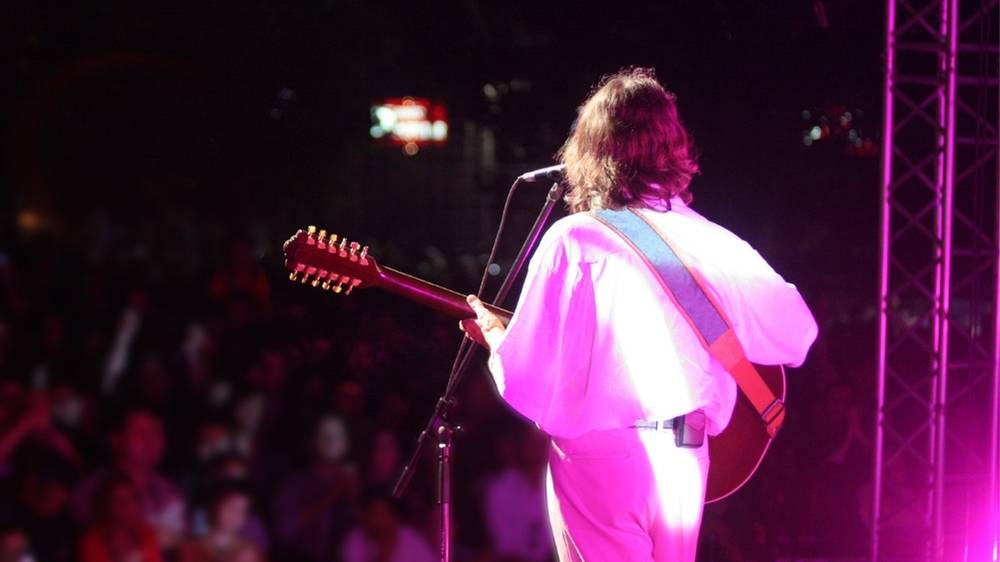
People may forget schedules and agendas — but they remember how an event made them feel.
High-energy performances create:
- Peak emotional moments
- Surprise and delight
- Memorable highlights
- Strong closing impressions
These moments often define overall attendee satisfaction.
Matching Energy to Event Objectives
While energy is powerful, it must align with the event’s purpose.
For example:
- Corporate conferences may require motivational, inspiring energy
- Product launches may benefit from bold, dramatic performances
- Private celebrations may call for interactive, joyful entertainment
Strategic alignment ensures energy enhances the event rather than overwhelming it.
Balancing Energy with Structure
Even the most dynamic performances require:
- Professional timing
- Technical coordination
- Clear run-of-show planning
- Rehearsals for lighting and sound cues
High energy works best when supported by structured production management.
Common Mistakes to Avoid
- Booking performers without considering audience demographics
- Overloading the event with back-to-back high-intensity acts
- Ignoring sound quality and acoustics
- Failing to integrate performance with event flow
Energy should feel intentional — not chaotic.
The Long-Term Value of Memorable Performances
High-energy performances can:
- Increase attendee satisfaction scores
- Boost repeat attendance
- Strengthen sponsor interest
- Improve brand association
- Elevate overall event reputation
In competitive event markets, memorable entertainment can become a signature differentiator.
Final Thoughts
High-energy performances do more than fill a schedule — they transform live events into shared, emotional experiences.
When entertainment, staging, lighting, and audience engagement align, energy becomes the driving force behind connection and impact.
At Red Panda 2000, we believe every event deserves moments that ignite excitement and inspire lasting memories.
Because when the energy rises, the entire event transforms.
The Role of Visual Spectacle in Modern Event Production
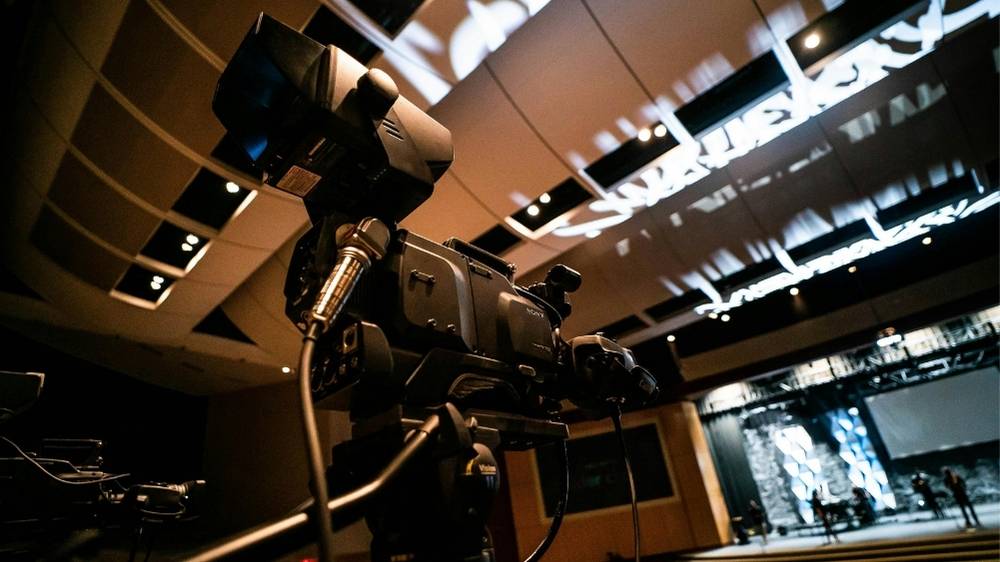
In today’s experience-driven economy, events are no longer just gatherings — they are immersive productions designed to captivate audiences from the moment they walk in. Whether it’s a corporate conference, product launch, music festival, or private celebration, visual spectacle plays a defining role in how an event is perceived, remembered, and shared.
At Red Panda 2000, we understand that visual impact is not about excess — it’s about intentional design that enhances storytelling, engagement, and atmosphere.
What Is Visual Spectacle in Event Production?
Visual spectacle refers to the strategic use of:
- Lighting design
- LED screens and projection mapping
- Stage architecture
- Motion graphics
- Scenic installations
- Special effects
- Immersive environments
When integrated correctly, these elements transform a venue into a narrative space rather than a functional room.
Why Visual Impact Matters More Than Ever
1. Audience Expectations Have Evolved
Modern audiences are accustomed to high-quality visual experiences through film, streaming, gaming, and social media. As a result, live events are expected to deliver a similar level of visual stimulation.
An event that feels visually flat risks losing attention quickly.
2. Social Media Amplifies Visual Moments
Events today are photographed, filmed, and shared in real time. Visually striking environments naturally encourage:
- User-generated content
- Brand visibility
- Organic promotion
- Extended event lifespan online
Designing with shareability in mind enhances reach far beyond the venue walls.
3. Visuals Strengthen Emotional Connection
Visual storytelling influences emotion.
Strategic lighting, color palettes, and stage design can evoke:
- Excitement
- Anticipation
- Luxury
- Innovation
- Intimacy
- Grandeur
When visuals align with the event’s purpose, emotional impact becomes stronger and more memorable.
Core Components of Modern Visual Spectacle
Dynamic Lighting Design
Lighting shapes mood and directs focus. Advanced lighting systems allow real-time transitions that support:
- Speaker emphasis
- Performance highlights
- Dramatic reveals
- Ambient atmosphere
Color temperature and movement patterns can completely transform perception of a space.
LED Screens and Immersive Displays
High-resolution LED walls and projection mapping allow event producers to:
- Create immersive backgrounds
- Deliver branded messaging
- Integrate live video feeds
- Enhance storytelling
Rather than static backdrops, dynamic screens create living environments.
Scenic and Structural Design
Stage builds, set pieces, and spatial architecture define visual hierarchy. Custom scenic elements elevate events from functional to cinematic.
Modern event production increasingly blends architecture with digital technology to create seamless environments.
Special Effects and Interactive Elements
When used strategically, effects such as:
- Smoke or haze
- Confetti or pyrotechnics
- Interactive installations
- Motion graphics
Add surprise and energy to key moments.
The key is timing and intentional use — spectacle should enhance, not distract.
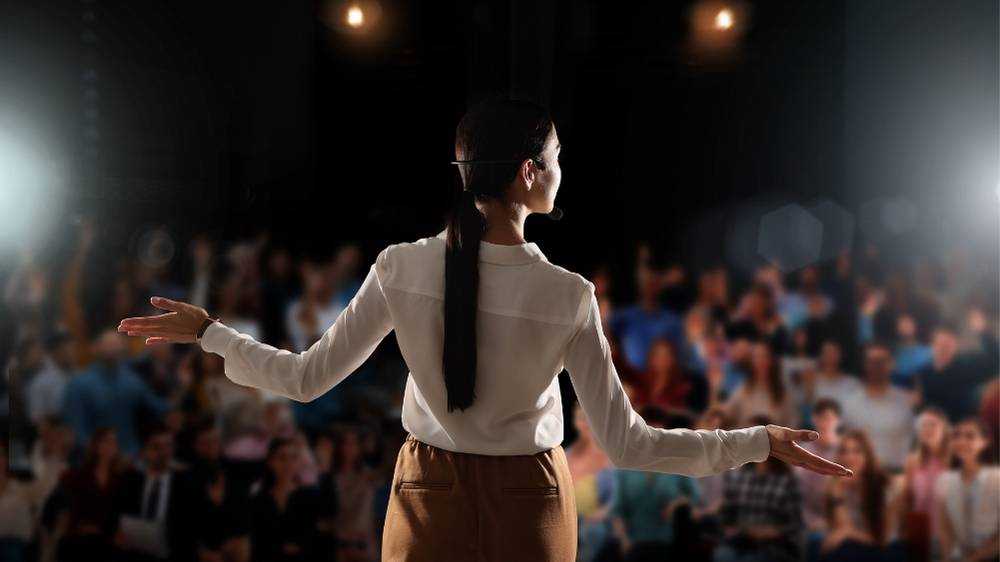
Balancing Spectacle with Strategy
Visual impact should never overshadow purpose.
Before designing spectacle, event planners must clarify:
- Core event objectives
- Audience demographics
- Brand identity
- Desired emotional tone
- Budget parameters
Spectacle without strategy creates noise. Spectacle aligned with purpose creates resonance.
Technology’s Influence on Event Production
Advancements in event technology have dramatically expanded creative possibilities:
- High-definition LED panels
- Real-time content rendering
- Advanced lighting control systems
- Interactive AR and VR experiences
- Automated stage mechanics
These tools allow event producers to deliver precision-driven visual narratives.
However, technology must serve the concept — not dictate it.
The ROI of Visual Excellence
Investing in visual production can deliver measurable returns:
- Stronger brand recall
- Higher attendee engagement
- Increased social sharing
- Improved sponsor visibility
- Enhanced attendee satisfaction
Memorable events often translate into repeat attendance and long-term brand loyalty.
Common Mistakes to Avoid
- Overloading the space with visuals
- Ignoring sightline considerations
- Poor integration between lighting and video
- Neglecting rehearsal time
- Focusing solely on aesthetics without narrative cohesion
Effective visual production requires coordination between designers, technicians, and creative directors.
The Future of Visual Spectacle in Events
As hybrid and digital experiences continue to evolve, visual production will play an even greater role in bridging physical and virtual audiences.
Expect growth in:
- Immersive 360-degree environments
- Interactive audience-responsive visuals
- Sustainable production design
- AI-driven content integration
Visual innovation will remain central to competitive event experiences.
Final Thoughts
Visual spectacle is no longer optional in modern event production — it is foundational.
When lighting, staging, technology, and design work in harmony, events move beyond functionality and become experiences that inspire, engage, and endure.
At Red Panda 2000, we believe that every event has a story to tell. Through strategic visual production, that story becomes unforgettable.