
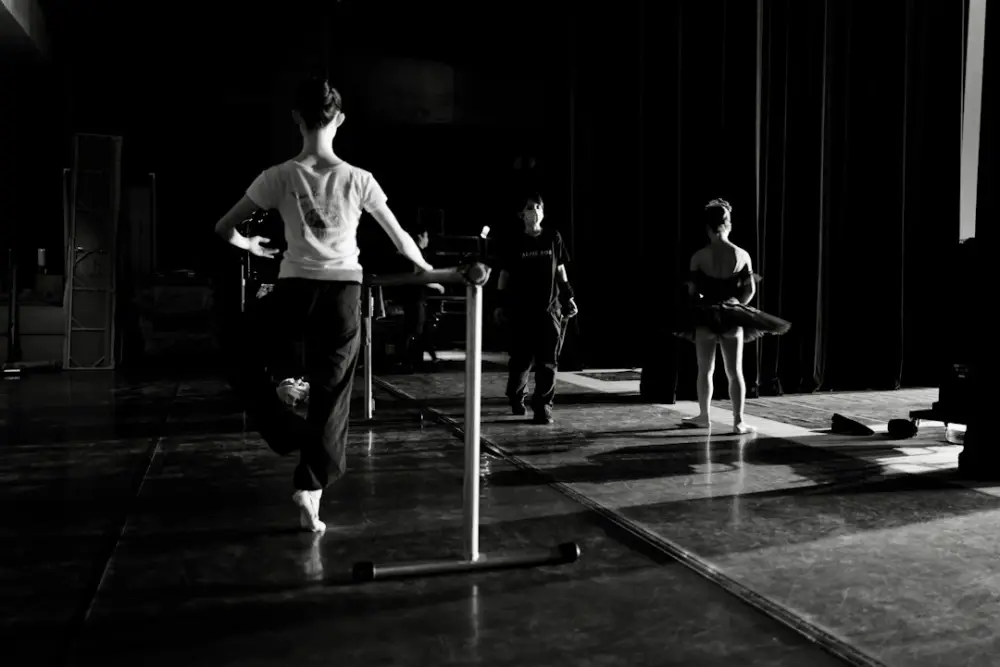
Preparing for demanding live performances involves the systematic physical, mental, and technical conditioning required to maintain precision during high-intensity events. This process focuses on stabilizing the central nervous system, refining motor skills like footwork, and managing physiological responses to ensure consistent execution under the pressure of live audiences and unpredictable stage environments.
This level of preparation goes beyond memorizing a routine or script. It requires an athlete’s approach to the stage, treating a twenty-minute set or a two-hour show as a high-stakes physical feat where technical errors have visible consequences for the audience experience and the performer’s safety.
Why performance readiness matters
In practice, the performance conditioning process works through a clear workflow: teams start by mapping each step, then walk through how the system works when conditions change. Using this step-by-step process, you can see when to act, what happens before and after each decision, and how outcomes flow through the platform or program.
Precision on stage is often the first thing to degrade when fatigue sets in. When a performer is not adequately conditioned, the heart rate spikes, fine motor control vanishes, and the cognitive load of managing the crowd becomes overwhelming. Proper preparation creates a buffer, allowing the body to operate on autopilot while the mind remains present to handle the nuances of the live environment.
In high-energy live event production, the stakes are physical. An acrobat who loses their footing or a dancer who cannot catch their breath mid-sequence risks more than a bad review; they risk injury. By focusing on the mechanics of movement and the biology of stress, performers can ensure that their technical execution remains sharp from the first minute to the last. This consistency is what separates a professional display from an amateur effort.
How to prepare for demanding performances
Achieving a high level of stage precision requires a multi-faceted approach. To build the necessary resilience, follow these five strategic methods designed to bridge the gap between rehearsal and the actual event.
- Implement Metabolic Conditioning (Metcon): Performers must train their energy systems to match the specific duration of their show. If a performance requires three minutes of high-intensity movement followed by a two-minute lull, your training should mirror this. Use interval training to improve your VO2 max, ensuring your muscles have the oxygen required to stay fluid under pressure.
- Refine Technical Footwork: The foundation of any stage movement is the connection between the feet and the floor. Practice your routine on different surfaces—slick wood, carpet, or concrete—to build adaptability. Understanding how footwork and balance are actually the secret to athletic precision helps you maintain center-of-gravity control even when the stage floor is uneven or vibrating from low-frequency sound.
- Master Breath Regulation: High-intensity performance often leads to shallow, panicked breathing. To counter this, integrate CO2 tolerance drills into your daily routine. By expanding your lung capacity and learning to breathe through the diaphragm rather than the chest, you prevent the "gasped" look common in fatigued performers. You will find that finding your breath finally changes the way you move when the adrenaline hits.
- Simulate Environmental Stressors: Rehearsing in a quiet, air-conditioned studio is not the same as performing under hot stage lights with 100 decibels of sound. Conduct "stress rehearsals" where you wear your full costume, use the actual lighting cues, and play the audio at performance volume. This desensitizes the nervous system to the sensory overload of the event.
- Execute a Precision Nutrition Plan: Treat the performance day like a race. Consume slow-burning carbohydrates three hours before the show and maintain electrolyte balance to prevent muscle cramping. Dehydration is a leading cause of cognitive lapses on stage, so a structured hydration schedule is essential for maintaining focus during complex sequences.
Common performance misconceptions
One of the most persistent myths in the entertainment world is that adrenaline will naturally compensate for a lack of physical preparation. While adrenaline can provide a temporary boost in strength or speed, it also impairs fine motor skills and leads to a rapid "crash" once the initial surge fades. Relying on a chemical spike rather than physical conditioning often results in a performance that starts strong but ends with visible technical errors.
Another misconception is that more rehearsal always leads to a better show. There is a point of diminishing returns where over-rehearsing leads to neural fatigue and repetitive strain injuries. Effective preparation focuses on the quality of movement and the recovery of the nervous system. A rested performer with 50 hours of high-quality, focused practice will almost always outperform a fatigued one who has spent 100 hours mindlessly repeating the same routine.
Key performance terminology
Understanding the language of high-stakes performance helps in diagnosing issues and refining technique. Here are several terms essential for anyone working in the niche of stage precision:
- Proprioception: The body's ability to sense its position and movement in space. This is critical for performers who need to hit specific marks without looking at their feet.
- Neural Fatigue: A state where the central nervous system can no longer effectively recruit muscles, often resulting in slower reaction times and reduced coordination.
- Active Recovery: Low-intensity movement performed after a high-energy show to help clear metabolic waste from the muscles and reset the nervous system.
- Kinesthetic Awareness: The sensory perception of movement, allowing a performer to make micro-adjustments to their posture or gait in real-time.
- CO2 Tolerance: The ability of the body to handle rising carbon dioxide levels in the blood, which dictates how long a performer can maintain high intensity before feeling the "need" to gasp for air.
First steps before a demanding show week
Use this action plan two weeks before your first high-intensity set.
- Start by scheduling three short CO2 tolerance drills on non-performance days.
- First step: baseline your heart rate after a five-minute warm-up and log it daily.
- To begin recovery practice, rehearse one intentional mistake and your reset phrase.
- Follow these steps to taper social and travel load in the final 48 hours before the show.
- Pack electrolytes, a timer, and a post-show cool-down checklist in your kit.
For example, a touring vocalist blocks two mornings for breath ladders, logs resting heart rate, and finishes each drill with a five-minute hum—leading to steadier pitch through the third encore. For instance, a drummer runs one song at 110% tempo after a full warm-up, notes grip fatigue, and adjusts stick grip before show night so power stays even without cramping.
Practical takeaways for stage precision
The transition from a rehearsed routine to a flawless live performance depends entirely on how you manage the intersection of your body and the environment. By treating the stage as a high-performance arena, you shift your focus from merely "getting through it" to executing with total control. Prioritize the mechanics of your movement and the stability of your breath, as these are the variables you can control when the lights go up and the crowd reacts.
At Red Panda 2000, we believe that the invisible details—the placement of a foot, the timing of an inhale, and the conditioning of the nervous system—are what define an elite event experience. Whether you are refining your footwork precision or building the stamina needed for a demanding tour, focusing on these technical pillars ensures that your performance remains a masterclass in precision and poise.