
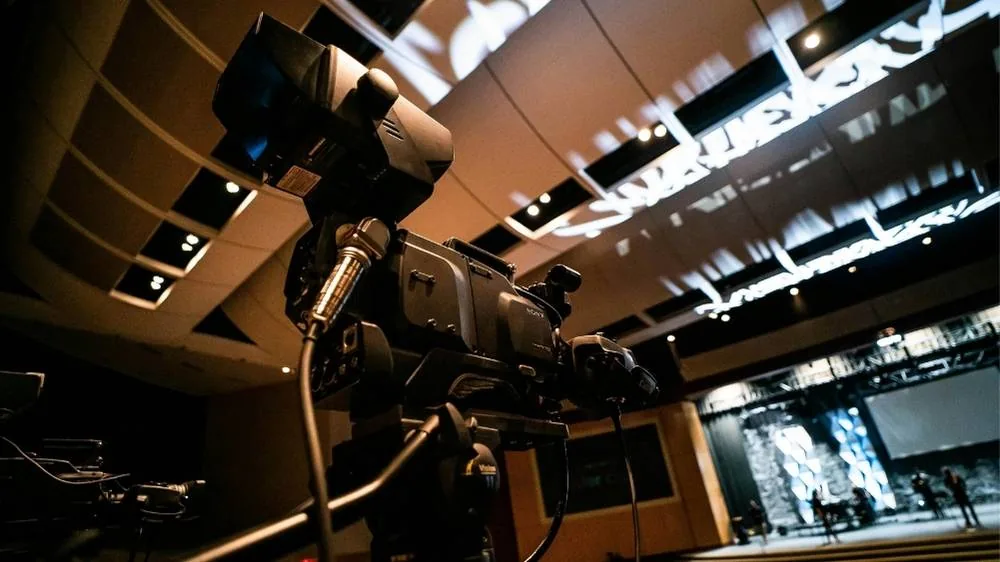
Part of our Live experience guide.
In today’s experience-driven economy, events are no longer just gatherings — they are immersive productions designed to captivate audiences from the moment they walk in. Whether it’s a corporate conference, product launch, music festival, or private celebration, visual spectacle plays a defining role in how an event is perceived, remembered, and shared. At Red Panda 2000, we understand that visual impact is not about excess — it’s about intentional design that enhances storytelling, engagement, and atmosphere.What Is Visual Spectacle in Event Production?
Visual spectacle refers to the strategic use of:- Lighting design
- LED screens and projection mapping
- Stage architecture
- Motion graphics
- Scenic installations
- Special effects
- Immersive environments
Why Visual Impact Matters More Than Ever
1. Audience Expectations Have Evolved
Modern audiences are accustomed to high-quality visual experiences through film, streaming, gaming, and social media. As a result, live events are expected to deliver a similar level of visual stimulation. An event that feels visually flat risks losing attention quickly.2. Social Media Amplifies Visual Moments
Events today are photographed, filmed, and shared in real time. Visually striking environments naturally encourage:- User-generated content
- Brand visibility
- Organic promotion
- Extended event lifespan online
3. Visuals Strengthen Emotional Connection
Visual storytelling influences emotion. Strategic lighting, color palettes, and stage design can evoke:- Excitement
- Anticipation
- Luxury
- Innovation
- Intimacy
- Grandeur
Core Components of Modern Visual Spectacle
Dynamic Lighting Design
Lighting shapes mood and directs focus. Advanced lighting systems allow real-time transitions that support:- Speaker emphasis
- Performance highlights
- Dramatic reveals
- Ambient atmosphere
LED Screens and Immersive Displays
High-resolution LED walls and projection mapping allow event producers to:- Create immersive backgrounds
- Deliver branded messaging
- Integrate live video feeds
- Enhance storytelling
Scenic and Structural Design
Stage builds, set pieces, and spatial architecture define visual hierarchy. Custom scenic elements elevate events from functional to cinematic. Modern event production increasingly blends architecture with digital technology to create seamless environments.Special Effects and Interactive Elements
When used strategically, effects such as:- Smoke or haze
- Confetti or pyrotechnics
- Interactive installations
- Motion graphics
Balancing Spectacle with Strategy
Visual impact should never overshadow purpose. Before designing spectacle, event planners must clarify:- Core event objectives
- Audience demographics
- Brand identity
- Desired emotional tone
- Budget parameters
Technology’s Influence on Event Production
Advancements in event technology have dramatically expanded creative possibilities:- High-definition LED panels
- Real-time content rendering
- Advanced lighting control systems
- Interactive AR and VR experiences
- Automated stage mechanics
The ROI of Visual Excellence
Investing in visual production can deliver measurable returns:- Stronger brand recall
- Higher attendee engagement
- Increased social sharing
- Improved sponsor visibility
- Enhanced attendee satisfaction
Common Mistakes to Avoid
- Overloading the space with visuals
- Ignoring sightline considerations
- Poor integration between lighting and video
- Neglecting rehearsal time
- Focusing solely on aesthetics without narrative cohesion
The Future of Visual Spectacle in Events
As hybrid and digital experiences continue to evolve, visual production will play an even greater role in bridging physical and virtual audiences. Expect growth in:- Immersive 360-degree environments
- Interactive audience-responsive visuals
- Sustainable production design
- AI-driven content integration