
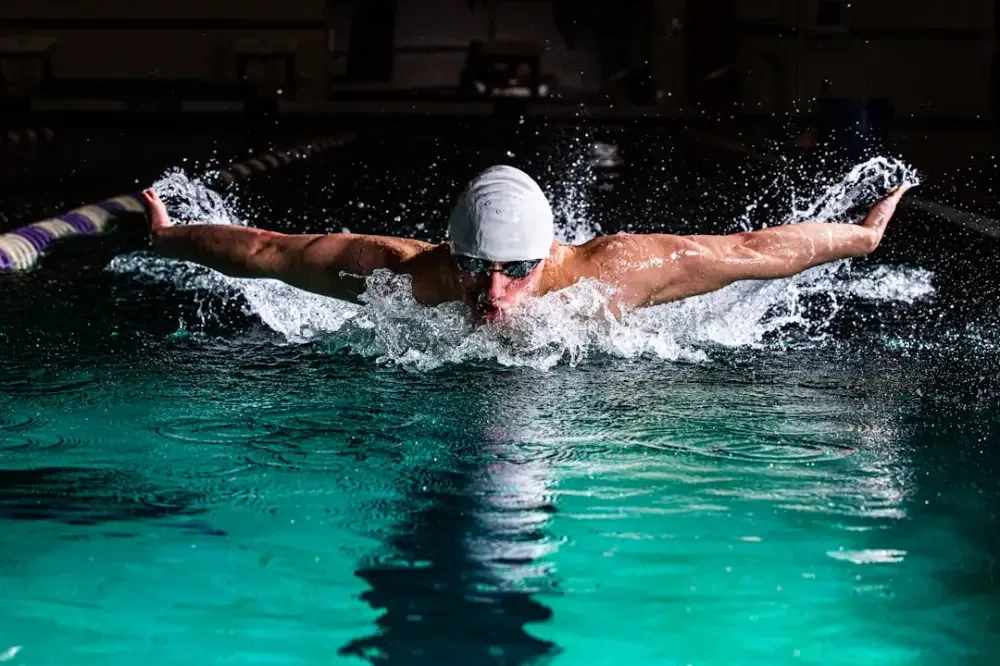
The Invisible Connection Between Breath and Precision
In the world of high-stakes sports and professional stage performance, we often focus on the visible: the speed of a sprint, the height of a jump, or the fluidity of a transition. At Red Panda 2000, we’ve previously explored how footwork and balance are the secrets to athletic precision. However, there is an even deeper layer that dictates how those physical movements manifest when the lights are brightest and the pressure is highest. That layer is your breath.
When you are under pressure, your body’s natural 'fight or flight' response takes over. Your heart rate climbs, your muscles tighten, and your breathing becomes shallow and centered in your chest. For an athlete or a performer, this is a recipe for disaster. Shallow breathing limits oxygen flow, but more importantly, it creates physical tension that destroys the very fluidity you need to succeed. Finding your breath isn't just about relaxation; it is about regaining control over your mechanical movement.
How Your Breath Dictates Your Range of Motion
It sounds simple, but the way you inhale and exhale directly impacts your musculoskeletal system. When you breathe through your chest—a common habit when nervous—you engage the 'accessory' breathing muscles in your neck and shoulders. This causes your upper body to tighten, shortening your reach and making your movements jerky.
The Diaphragm and Core Stability
True performance breathing happens in the diaphragm. When you breathe deeply into your belly, you aren't just taking in more oxygen; you are creating intra-abdominal pressure. This pressure stabilizes your spine from the inside out. For a sports performer, this stability is the foundation of every movement. Whether you are holding a difficult pose on stage or pivoting on a court, a stabilized core allows your limbs to move with more freedom and less effort.
The Nervous System Reset
Your breath is the only part of your autonomic nervous system that you can consciously control. By slowing your exhale, you send a signal to your brain that you are safe. This shifts you from the sympathetic nervous system (stress) to the parasympathetic nervous system (calm). In this state, your fine motor skills—the ones required for high-energy performances—remain sharp rather than becoming dull and clumsy.
3 Practical Breathing Techniques for High-Pressure Moments
To change the way you move, you need a toolkit of breathing exercises that can be used in the heat of the moment. Here are three methods we recommend at Red Panda 2000 to help you stay grounded.
- The 4-4-4 Box Breath: This is a classic 'reset' technique. Inhale for four seconds, hold for four seconds, and exhale for four seconds. This pattern forces your heart rate to level out and clears the mental 'fog' that often accompanies performance anxiety.
- The Pursed-Lip Exhale: If you feel your movements becoming frantic, focus on a slow, controlled exhale through pursed lips, as if you are blowing through a straw. This creates back-pressure in the lungs, keeping the airways open longer and forcing your body to slow down its physical tempo.
- Exhale-on-Exertion: Timing your breath to your movement is vital. Always exhale during the most difficult part of a movement (the jump, the lift, or the strike). This prevents you from holding your breath, which causes a spike in blood pressure and unnecessary muscle rigidity.
Integrating Breathwork into Your Training Routine
You cannot expect to master your breath under pressure if you only practice it when you are stressed. Like footwork, breathing is a skill that requires 'muscle memory.' To truly change the way you move, you must integrate these practices into your daily preparation.
- The Morning Check-In: Spend five minutes every morning lying flat on your back. Place one hand on your chest and one on your belly. Practice breathing so that only the hand on your belly moves. This recalibrates your body to default to diaphragmatic breathing.
- Warm-Up Synchronization: During your dynamic warm-up, match your breath to your movements. If you are doing leg swings or arm circles, inhale as you open up and exhale as you close. This builds the bridge between respiration and motion.
- The 'Pressure' Simulation: During high-intensity training, intentionally stop for 30 seconds and use the Box Breathing technique. Learning to bring your heart rate down quickly while physically tired is exactly what you will need to do during a live event or competition.
From Practice to Performance: The Final Shift
When you finally find your breath, the way you move under pressure changes from a struggle into a flow. You’ll notice that your transitions become smoother and your reaction times improve. This is because a well-oxygenated, relaxed muscle reacts faster than a tense, starved one.
In modern event production and high-level sports, the visual spectacle is often what the audience remembers, but the internal control of the performer is what makes that spectacle possible. By mastering your breath, you aren't just surviving the pressure; you are using it as a rhythmic guide for your best performance yet. Start small, breathe deep, and watch how your movement follows suit.